
About Me
-
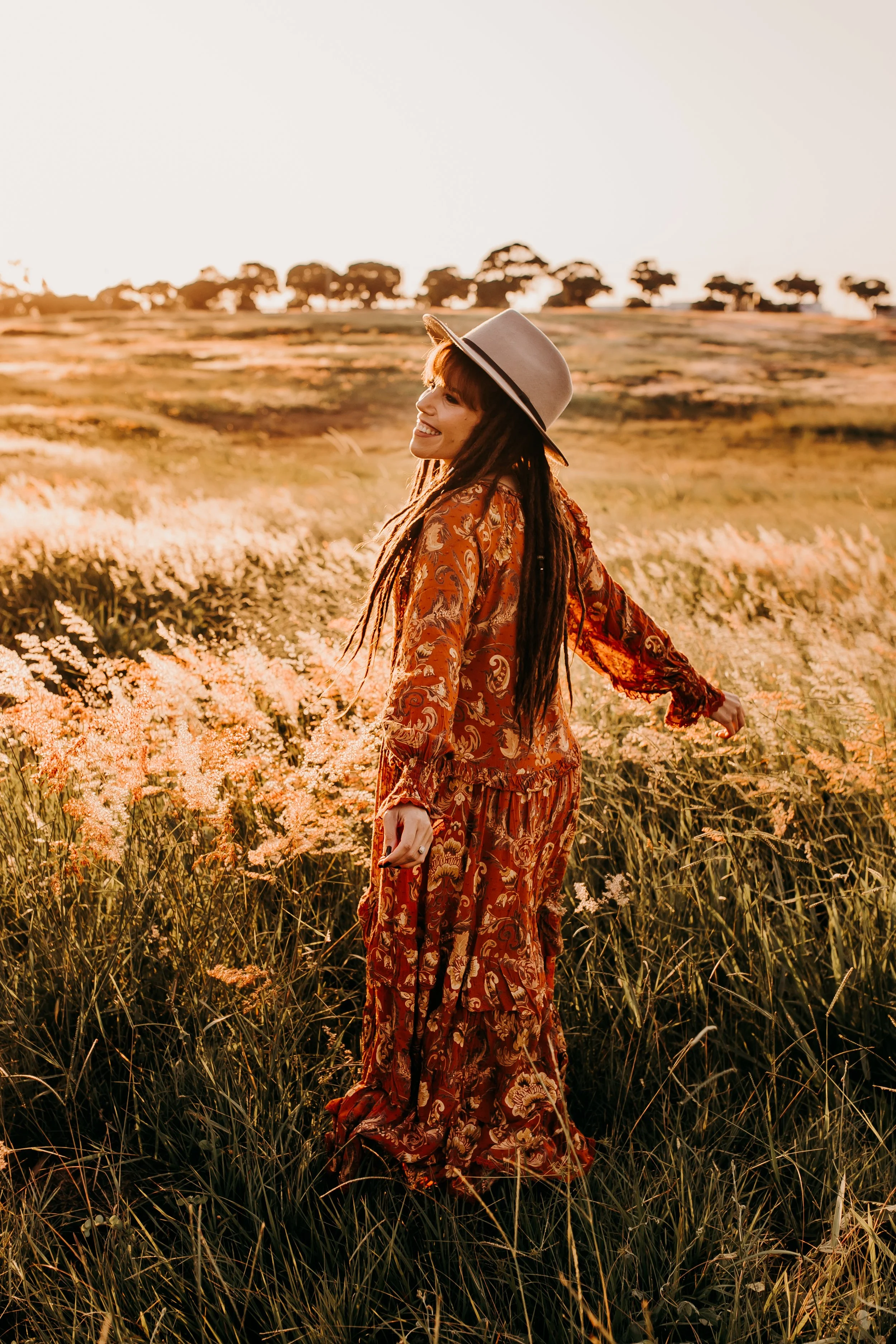
I grew up in regional Victoria and am now lucky to call beautiful Kabi Kabi Country in South East Queensland home. Although, really, I am just a visitor here. I have cultural connections to Gamilaroi Country through my father and European heritage through my mother. Both sides of my heritage, alongside everything I’ve experienced along the way, deeply inform who I am.
In 2025, I graduated from a Bachelor of Contemporary Australian Indigenous Art at Griffith University as a mature-aged student. It took me about 20 years to believe I could pursue my love of art, take creative self-expression seriously and that I was smart enough to go to university. Somehow, I also managed to receive academic excellence awards along the way! Go figure! The person I was when I left school never believed any of those things were possible for her.
-
As a child, I always wrote in a physical diary about my feelings and emotions. I found so much comfort and healing in getting everything out of my head and onto the page. It was cathartic, and I’ve realised I still do exactly the same thing as an adult, just in a different creative form: visual art.
I see my artwork as a series of diary entries of what I am personally moving through. It is where I process, question, release and make sense of things. Every artwork becomes a little piece of my journey.
-
A lot of my personal journey has been about decolonising: questioning and unlearning colonised worldviews and internalised beliefs that have harmed my culture and cultural identity, not only historically but in ways that continue to exist today.
For me, this also means deconstructing the religious ideologies and inherited beliefs that shaped my identity and disconnected me from my culture, my body and my own ways of knowing.
Decolonising and re-Indigenising is an ongoing process of learning my language, reconnecting with Indigenous knowledges, regenerating cultural practices and reclaiming ways of knowing that have been interrupted or devalued. It is about learning the truth of our histories while also creating space for cultural knowledge, identity and practices to continue into the future.
I am still unlearning, reclaiming and reconnecting. I see this as a lifetime’s work, and my artwork is a record of that journey.
-
It’s taken me a while to realise that my instinct to push materials and processes beyond their traditional boundaries is also an innate act of resistance to inherited systems of power.
I am a firm believer in intuition, the body’s memory and ancestral memory, and in Indigenous ways of knowing and being as valid methodologies for creation, even when they are harder to define within academic institutions. I’m interested in what happens when I trust what I feel, remember and know in my body alongside what I have been formally taught, both orally and in writing.
-
I’ve always been drawn to the idea of “Be the change you wish to see in the world.” That belief originally led me into youth work, but I eventually realised there is also enormous power in the arts to create change, shift perspectives and help people see themselves and the world differently.
I truly believe the work we get to do in the world is an extension of ourselves. Our different stories, experiences and standpoints are what make the world interesting and meaningful. They expose us to perspectives different from our own and can bring us together through shared feelings and our shared humanity.
My hope is that when someone encounters my work, it makes them feel something. Maybe it unlocks a memory, stirs a feeling or prompts them to recognise something within themselves. Maybe it’s uncomfortable, and that too is meaningful.
For me, art can be a mirror. As creatives, we are also mirrors of the society we live in, reflecting back stories, experiences and ideas that might otherwise go unseen. Art can create space for reflection, connection, learning and, ultimately, change.
Artist Biography
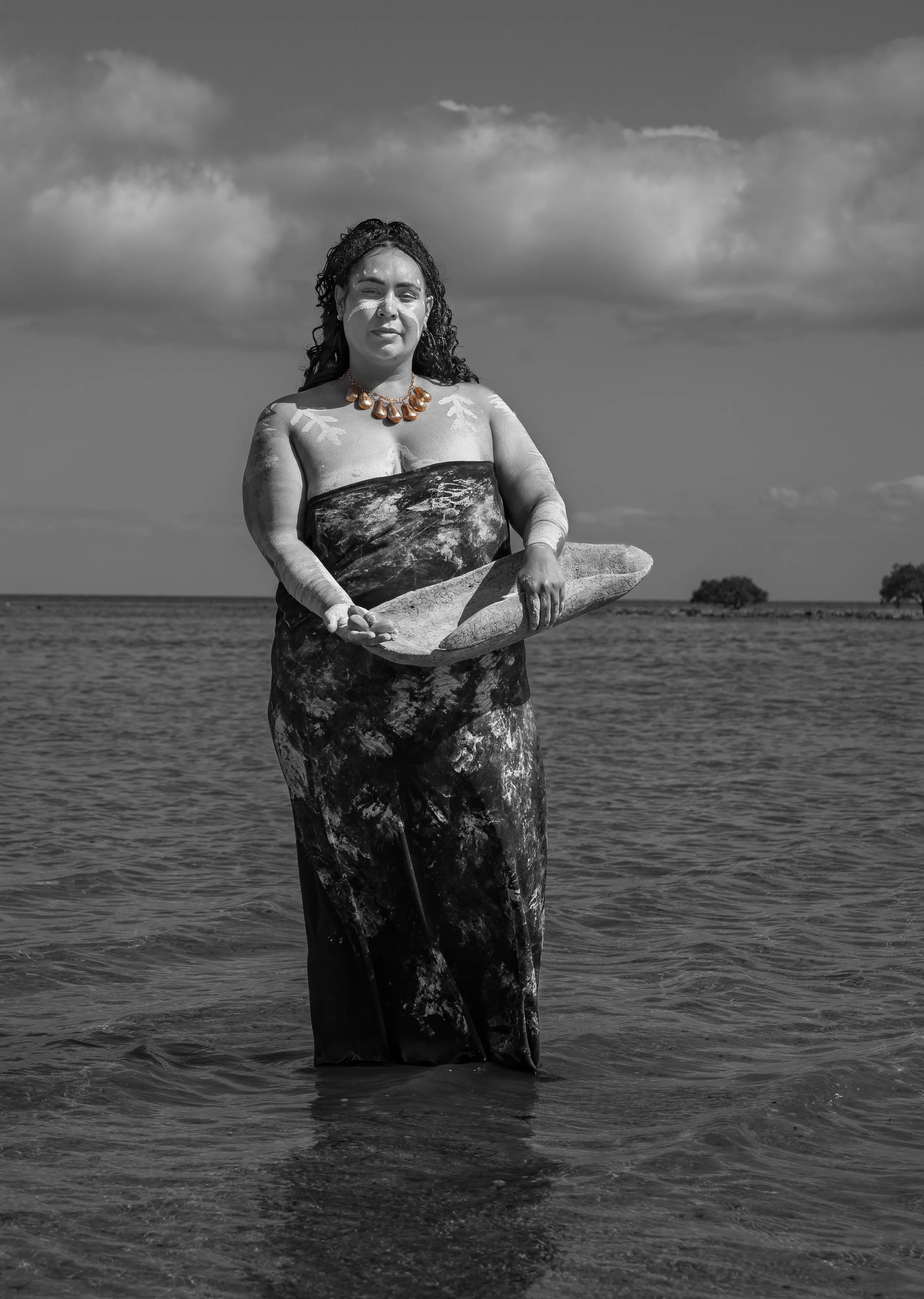
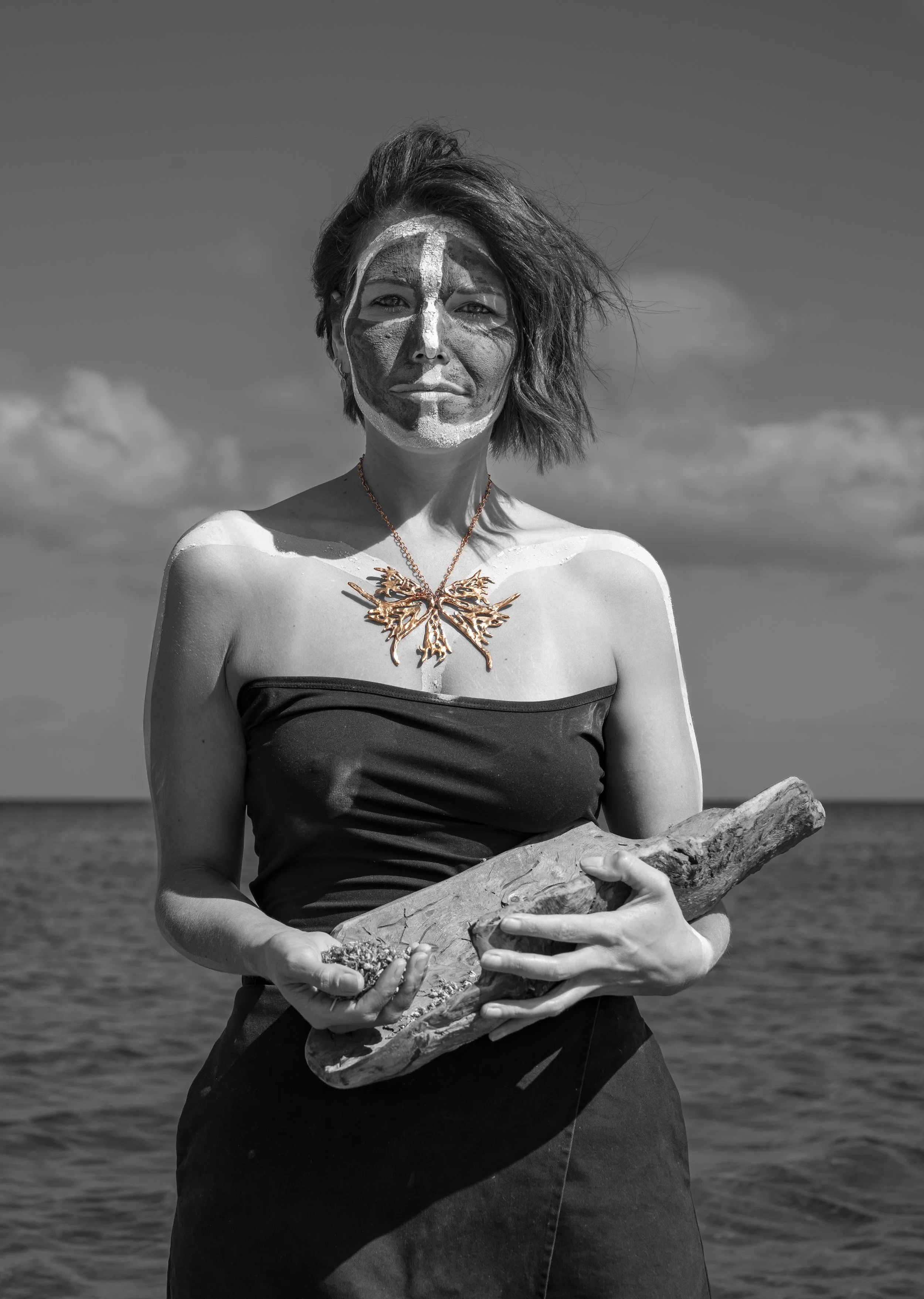
Rachel Bywaters is a multidisciplinary artist with cultural connections to Gamilaroi Country, living on Kabi Kabi Country.
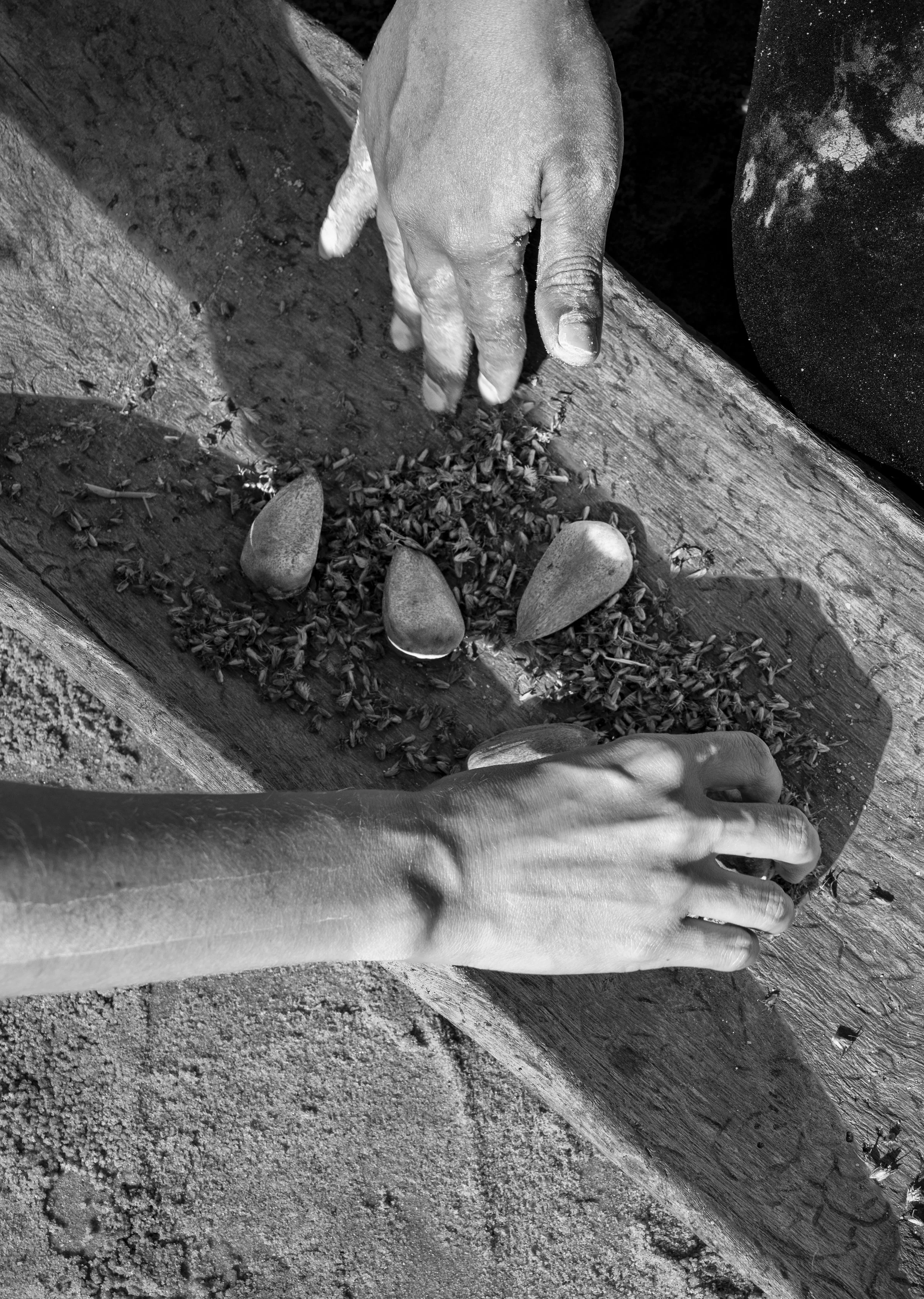
Working across printmaking, papermaking, jewellery, sculpture and installation, her work explores processes of decolonisation, deconstruction and cultural reclamation.
Examining inherited systems of belief and authority, Rachel centres First Nations knowledge through material experimentation, particularly with native grasses as living expressions of Country and cultural continuity.
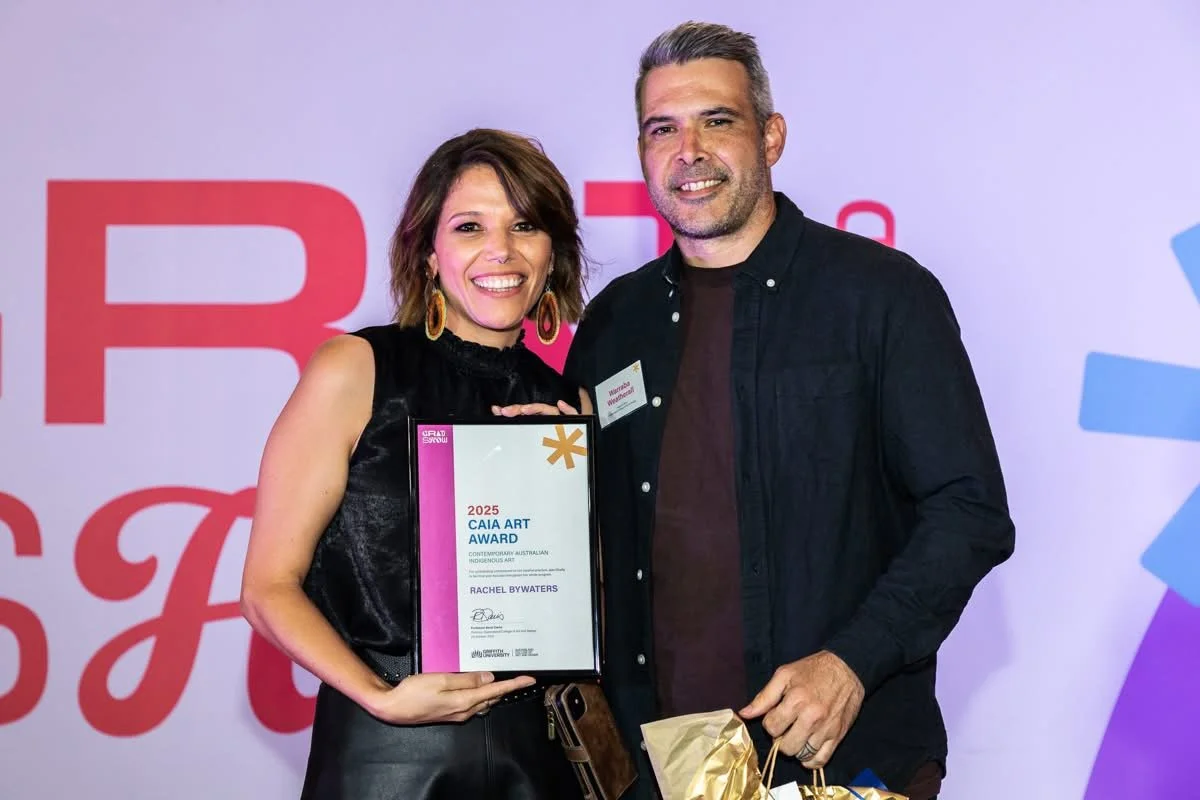
A recent graduate of the Bachelor of Contemporary Australian Indigenous Art at Griffith University, Rachel was the recipient of the 2025 CAIA Art Award for Outstanding Commitment to Creative Practice.